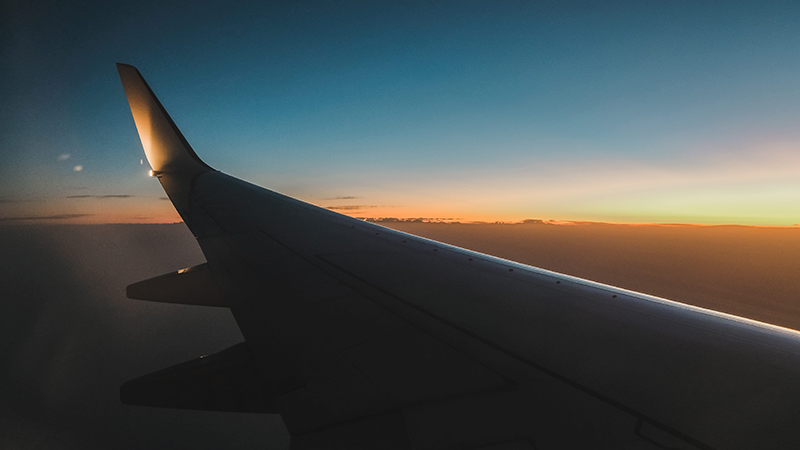
Red-eye flights and overnight travel can be a convenient way to maximize your vacation time, avoid daytime crowds, and often save money on airfare. At Newark Airport Long Term Parking (NALTP), we regularly hear from travelers who choose overnight flights specifically to make the most of their time at their destination. In our experience, one of the biggest factors in making a red-eye manageable is reducing the stress that comes before boarding. Arranging parking in advance, allowing enough time to reach Newark Liberty International Airport (EWR), and having everything prepared before arriving can make it easier to settle in and rest once you’re on the plane.
One of the most important travel tips for red-eye flights is selecting the right seat. If sleep is your priority, a window seat is usually the best option. It gives you a surface to lean against and prevents other passengers from waking you when they need to access the aisle. Avoid seats near restrooms or galley areas where foot traffic and noise tend to be higher throughout the flight.
If your budget allows, consider upgrading to premium economy or business class for additional legroom and improved comfort. Even a few extra inches of space can make a significant difference on an overnight flight.
Airplane cabins can become surprisingly cool during long flights. Wear comfortable, breathable clothing and dress in layers so you can adjust to changing cabin temperatures. A lightweight hoodie, sweater, or travel jacket can provide warmth without taking up much space in your carry-on.
Comfortable shoes are also essential, especially if you’ll be navigating a large airport before or after your flight. Compression socks can help improve circulation and reduce swelling during extended periods of sitting.
Creating a sleep-friendly environment is one of the best ways to survive a red-eye flight. Consider bringing:
These items can help block out distractions and make it easier to get several hours of rest while in the air. Download relaxing music, white noise, or sleep-focused apps before departure in case in-flight entertainment is unavailable.
Aircraft cabins have very low humidity levels, which can quickly lead to dehydration. Drink plenty of water before, during, and after your flight. Bringing a reusable water bottle and filling it after passing through security can make staying hydrated much easier.
Try to limit alcohol and caffeine consumption before boarding and during the flight. While alcohol may make you feel sleepy initially, it often disrupts sleep quality and can worsen jet lag symptoms upon arrival.
If you’re traveling across multiple time zones, begin adjusting your sleep schedule a few days before your trip. Going to bed slightly earlier or later, depending on your destination, can help your body adapt more quickly once you arrive.
Many experienced travelers also set their watches and mobile devices to the destination time zone immediately after boarding. This simple psychological adjustment can help you mentally transition into your travel schedule and reduce jet lag.
Eating heavy meals immediately before or during a red-eye flight can make sleeping more difficult. Instead, choose lighter foods that are easy to digest. Healthy snacks such as fruit, nuts, yogurt, or protein bars can help maintain energy levels without causing discomfort.
If your flight includes meal service, consider timing your meal based on your destination’s schedule rather than your departure city’s time zone. This can help reinforce your body’s adjustment to the new schedule.
While sleep is important, so is circulation. During longer overnight flights, get up periodically to stretch your legs and walk through the cabin when it’s safe to do so. Simple stretches and light movement can help reduce stiffness and improve overall comfort.
Remaining seated for extended periods can contribute to fatigue and discomfort, especially on international flights lasting several hours.
One of the smartest overnight travel tips is to have a plan for your arrival. If possible, avoid scheduling important meetings or demanding activities immediately after landing. Give yourself time to rest, shower, and adjust to your new environment.
Spending some time outdoors in natural sunlight can help regulate your body’s internal clock and speed up recovery from overnight travel and jet lag.
Red-eye flights can be an excellent travel option when approached strategically. By choosing the right seat, packing sleep essentials, staying hydrated, and planning ahead, you can arrive feeling more refreshed and ready to enjoy your destination. A little preparation can transform an exhausting overnight journey into a productive and comfortable travel experience.
If you’re flying out of Newark Liberty International Airport, make your trip even easier by reserving your parking in advance with NALTP. Newark Airport Long Term Parking offers convenient, affordable parking options along with reliable shuttle service to and from the airport, helping you start and end your red-eye journey stress-free. Book your parking with NALTP before your next trip and enjoy a smoother travel experience from the moment you leave home.

 Login
Login Sign Up